Categories
Uncategorized

What Actually Goes Wrong at Outdoor Festivals

What Actually Goes Wrong at Outdoor Festivals (And How We Stop It Before It Starts)

Out of roughly 300 shows, we’ve had a generator fail mid-performance exactly once. That’s a good track record. But here’s the thing about that one time: the artist on stage had just been paid a quarter of a million dollars to play for thirty minutes. When the power went, so did the show. There was no fixing it, no backup plan that could be improvised in real time, because the backup plan was supposed to already be sitting there, plugged in and ready.

That’s usually the moment a client understands why we insist on a second generator even when it “isn’t in the budget.” Nobody wants to pay for equipment that just sits there doing nothing, until the one time it doesn’t just sit there.

If you’re planning a large outdoor festival, community event, or concert, most of the surprises that blow up a budget or a timeline aren’t really equipment problems. They’re planning problems. Here’s what we’ve learned running mobile stages, ground supports, and full production packages across South Texas and beyond.

A Trailer Stage and a Ground Support Are Not the Same Thing

People use “stage” as if it’s one thing. It isn’t, and the difference changes your timeline, your budget, and what your site needs to be able to handle.

A mobile stage: like our Apex 3224 or the industry-standard Stageline SL320 rolls in on a trailer that looks like a regular box truck from the highway. Once it’s in position, the truck pulls away and the trailer transforms: the sides open, the platform lowers into place, and the roof hydraulically rises 20-30 feet in the air. Wings can be added on either side for video and monitor positions. It’s essentially a stage that builds itself.

A ground support is a different animal entirely. It’s a heavy-duty aluminum truss structure we use Tomcat systems that goes up first as a freestanding skeleton, with motors on every corner lifting it to trim height. Once that structure is up, you build the actual stage underneath it. It looks similar to a trailer stage once it’s finished, but it’s assembled from the ground up on site rather than unfolding out of a trailer.

Apex Stageline vs Freestanding Tomcat

Why does the difference matter to you as the person planning the event?

  • Mobile stages deploy faster and need less labor, which matters if your setup window is tight 
  • Ground supports offer more customization for oversized roofs, unusual dimensions, or complex rigging needs 
  • Ground supports generally take longer to set up and require more precise leveling, especially on uneven ground 
  • Both need to be assessed against your site conditions, not just your guest count 

The Questions We Ask Before We Talk Equipment

Before we recommend a single piece of gear, we’re gathering information that has nothing to do with brand names or model numbers.

  • How many people are you expecting? This single number drives the size of your stage, PA, lighting rig, and video wall. Undersizing for a 15,000-person crowd or oversizing for a 500-person gathering are both real mistakes we’ve seen happen.
  • Indoor or outdoor? This changes almost everything downstream, from rigging to power to weather contingencies.
  • What’s the ground like? Dirt, grass, concrete, hilly, flat. This isn’t a minor detail. A loaded case that weighs a thousand pounds doesn’t roll the same on wet grass as it does on pavement, and that difference adds hours to a load-in.
  • Where is power coming from? Is there existing power on site, or are we bringing everything, including generators?
  • Do you already have a stage, or are we sourcing one?

None of these questions are about upselling equipment. They’re about not showing up on event day with the wrong tool for the site you actually have.

Why We Always Bring a Second Generator (Even When It “Isn't in the Budget”)

This is the conversation that comes up on almost every large show, and it’s usually framed as a cost objection: why pay for a generator that isn’t doing anything?

Here’s the answer. If your primary generator fails during a show, there’s no time to source a replacement: you have minutes, not hours, to switch power over before the audience notices. A second generator isn’t redundancy for its own sake; it’s the only realistic way to keep a show running when equipment fails, and equipment does fail, eventually.

There’s also a technical reason to run separate generators for different systems:

  • One generator for audio, separate from lighting and video, because lighting and video equipment can introduce ground interference that shows up as audible hum in your sound system
  • A dedicated generator for a large LED video wall, depending on its size and power draw
  • Backup capacity sized to the actual risk, not just the minimum the show needs to function

We had a similar conversation on a recent show in Chicago, where a client initially cut a forklift from the budget to save around $1,600 over four days. We pushed back and rented it anyway. It turned into the busiest piece of equipment on site, because without it, you’re relying on crew members lifting gear by hand, up ramps, at height, repeatedly. That’s not just slower. It’s how people get hurt.

What Wind Does to an Outdoor Stage

Outdoors means weather, and weather means there are limits to what any amount of planning can control.

Every ground support and mobile stage roof is stabilized with water ballasts: large containers filled with water and tied off to the structure at each corner, acting as counterweights that anchor everything in place. LED walls are a particular concern in wind: some panels are mesh, designed to let air pass through rather than catching it like a sail, but even mesh walls have limits. Once the wind gets strong enough, a wall can start moving, and that’s when it becomes genuinely dangerous.

When conditions cross that line, we bring the wall or the affected structure down. Clients don’t always love hearing this in the moment, especially after paying for a full LED package. But there’s no version of “push through it anyway” that ends well. At a certain point, it’s simply not something equipment or planning can override.

What Wind Does to an Outdoor Stage

The Permits and Inspections Most Organizers Don't Think About

Every city has different ordinances, and the organizers who’ve done this before usually already know it. The ones who haven’t are often surprised by how specific the requirements can get.

One example that’s stuck with us: setting up for an outdoor show, fully built, stage up, gear loaded and a fire marshal arrived the next morning, measured the site, and found the stage was two inches too close to the required clearance for a fire truck to pass through. The whole stage had to move. Two inches doesn’t sound like much until it’s the difference between a show happening and a show getting shut down before it starts.

For larger, recurring events, we’ve learned to get ahead of this entirely meeting with event committees and inspectors on site before equipment even arrives, marking out exactly where structures can and can’t go. That upfront coordination is far cheaper than moving a fully built stage the morning of the show.

Things worth confirming early, no matter the size of your event:

  • What your city’s specific ordinances require for outdoor structures
  • Whether an inspector needs to sign off on the stage itself
  • Grounding requirements for stages and generators, which matter for basic electrical safety
  • Insurance and certificate requirements tied to your venue or municipality

Setup Time Is Not Negotiable

One of the most common budget-driven mistakes is cutting setup time to save on venue rental. It seems like an easy trim until it collides with reality.

Rigging is a good example. If your show requires rigging points and you’re bringing in outside riggers, they move at their own pace, and there’s often very little that can happen production-wise until those points are set. If a client wants to walk in at noon and be sound-check ready with an unrealistic runway, that’s not a preference it’s a constraint that gets forced onto the rest of the day. Sometimes the show still comes together, but it adds a level of difficulty that didn’t need to be there, and it puts pressure on decisions that shouldn’t be made in a rush.

If there’s one piece of advice worth repeating to anyone planning an outdoor event: build in more setup time than feels comfortable, especially if rigging, permitting, or a large structure is involved.

Establish Who Actually Makes the Call

The single biggest communication failure on a show isn’t a missing generator or a late truck. It’s not knowing who’s actually authorized to make decisions.

Some shows have what amounts to “all chiefs and no one carrying anything out” multiple people offering direction, but no clear line to a final decision-maker. That’s a difficult way to run a production. You get an answer from one person, start acting on it, and then someone else steps in to say that person didn’t have the authority to say that in the first place.

On our end, that’s exactly why a single production lead manages the relationship with the client, the promoter, the band’s tour manager, and the internal crew. Every question, every change, every request routes through one person who has the full picture, not because other team members can’t answer questions, but because consistency matters more than speed when a decision affects the whole show.

Before you start planning, it’s worth answering, in writing if possible:

  • Who is the final decision-maker on your side?
  • Who has that same authority at the venue?
  • Is there one point of contact your production team should always go through?

What "Turnkey" Actually Means

We use the word “turnkey” a lot, and it’s not just marketing language. In practice, it means we’re handling far more than staging and gear.

That includes advancing directly with a band’s tour manager to confirm rider requirements, running hospitality and bus lists, and providing dedicated runners so an artist isn’t left wondering why a case of water didn’t show up. It means showing up to walkthroughs and planning meetings without charging for our time, because getting a show right matters more to us than billing every hour it takes to prepare for one. And it means being the team that flags the risk (in writing) when a client wants to skip something we think matters, so everyone’s working from the same understanding of what could go wrong.

For events at the scale of a multi-day festival or a large community show, that full-service approach is the difference between managing a dozen vendors yourself and handing the entire technical production to one team. If you’re in the early stages of planning something outdoors and large-scale, our Outdoor Festival & Large-Scale Event Production page walks through the staging, audio, lighting, and structural engineering side of what that looks like.

The Bottom Line

Most of what goes wrong at outdoor festivals doesn’t come from bad equipment. It comes from decisions made without enough information, not enough setup time, not enough power redundancy, not enough clarity on who’s actually in charge. The equipment side is solvable. The planning side is where shows actually get saved or lost, usually weeks before anyone sets foot on site.

Planning a Festival or Concert?

Eliminate costly day-of surprises. Partner with Texas AVL for turnkey staging, engineered rigging, redundant power, and complete live production.
CALL NOW
Categories
Uncategorized

Outdoor Festivals

Categories
Events

How to Choose an Audio Visual Company for San Antonio Events

How to Choose an Audio Visual Company

Table of content

Most AV company decisions happen too fast. A date gets locked, a venue gets booked, and someone is searching “AV company San Antonio” ten days before the event. Whatever comes back first gets the call. San Antonio runs enough serious events, conferences at the Henry B. González Convention Center, galas at the JW Marriott, outdoor festivals drawing tens of thousands into Bexar County, that the market here has real range. The difference between tiers is not always obvious in a quote. It tends to show up during load-in, or midway through the opening session, when the window to fix something is already closing.

What San Antonio Event Planners Need From an AV Company

The criteria most event planners use to evaluate AV companies are usually too narrow. Price. Availability. A quick search. Those filters will get you a company. They will not necessarily get you the right one.

What you need is: A local crew with real venue knowledge.

San Antonio’s event spaces are not interchangeable. Loading into the Henry B. González Convention Center operates differently than loading into a La Cantera ballroom. A crew that has done it before moves faster, asks better questions, and catches problems before they surface in front of an audience. A crew that has not done it is learning on your event.

The Difference Between AV Rental and Full AVL Production


Feature
AV Rental
DIY Approach
Full AVL
Premium Experience
Core Offering
Equipment drop-off and a basic walkthrough.
An integrated audio, video, and lighting system.
Staffing
None during the event. Once dropped off, the equipment is the event team's problem.
Trained crew handling everything from load-in through strike, including dedicated on-site operators.
System Design
Standard, one-size-fits-all gear.
Equipment scaled specifically to your venue's acoustics and audience size.
Example
A PA system staged near the loading dock with no crew behind it.
An engineer at a front-of-house console, line-checked wireless microphones, and custom atmospheric lighting.
type-of-av-equipment-texas-avl-uses

Types of Events That Require Professional AVL in San Antonio

San Antonio’s event calendar is substantial. The combination of hotel infrastructure, convention capacity, and the city’s position as one of Texas’s largest markets means professional events run year-round across a wide range of formats. These categories share a common requirement: they need AVL production, not rental equipment.

Corporate Conferences and General Sessions

Conferences in San Antonio scale from 50-person executive offsites to multi-day productions with 5,000 attendees running across venues including the Henry B. González Convention Center, the JW Marriott San Antonio, and the Hyatt Regency San Antonio.

At that scale, AVL requirements stack quickly. LED video walls for the general session. Confidence monitors at the lectern. Line array audio tuned to the room. Wireless microphone packages for keynote speakers and panel discussions. Breakout rooms running parallel sessions that need to feed into a central production workflow. Coordinating that system across a multi-room venue requires a crew. A delivery truck will not get you there.

Galas, Award Ceremonies, and Nonprofit Fundraisers

Galas are atmospheric events, and atmosphere is almost entirely a production question. Uplighting, intelligent lighting, stage design, and video playback for award presentations shape how the room feels from the moment guests walk in.

Nonprofit fundraisers add timing pressure to an already demanding production. A live auction with video tributes and moment-specific lighting cues requires an operator who has run that kind of show before. The margin for visible error is narrow. When 300 donors are in a room that took a year to fill, the production quality carries weight well beyond the technical.

Product Launches and Corporate Brand Events

Product launches are scripted events, and scripted events surface production problems fast. LED walls, pre-produced video playback, live camera feeds, and coordinated audio all run on cue. When they do, the launch feels considered. When they do not, the audience notices before the presenter does.

Executive audiences are a specific challenge. They are experienced enough to recognize when production is off, and they carry that impression out of the room. A product launch at a San Antonio hotel with 200 buyers in attendance is a brand communication event. The production is part of the message.

Large-Scale Outdoor Events and Festivals

Outdoor events carry a different class of production requirements. Line array audio designed for open-air coverage. Large-format video displays visible in full daylight. Power load coordination across a site that may have no permanent electrical infrastructure. Weather contingency planning built into the run-of-show. All of it resolved before a single attendee arrives.

Texas AVL produces large-scale outdoor events in San Antonio with line array systems capable of covering audiences in the tens of thousands. For example, we provided professional audio-visual production for the Rise Against tour, delivering high-impact lighting and sound design for rock concerts across Texas with crowds in the tens of thousands. Outdoor production also has a longer setup window and a much narrower recovery margin. A crew encountering South Texas outdoor production variables for the first time is solving those problems at your expense.

Trade Shows and Exhibition AV

Trade show production at venues like the Henry B. González Convention Center runs at scale and in close proximity. Exhibitor display screens, presentation systems, and audio in a high-ambient-noise hall all need to be managed without bleeding into adjacent booths.

The technical challenge is separation. Sound that carries two booths over creates a problem for every exhibitor nearby. An AVL company with trade show experience knows how to design systems that hold attention without creating interference, and how to set up and strike within the show schedule.

Corporate-event-production1024x1024

San Antonio Venues and What Your AV Company Needs to Know

Aquí tienes el código completo adaptado para tus nuevas sedes (Venues). He aplicado exactamente el mismo diseño premium que ya tenemos estructurado: moderno, responsivo, con bordes redondeados y efectos interactivos que resaltan la información al pasar el cursor. Copia y pega este código dentro de tu widget de **HTML personalizado** en Elementor: ```html
Venue
Ideal For
Capacity & Vibe
Production Realities & Best Practices
Henry B. González Convention Center
Large conventions & multi-hall trade shows
1.4M+ sq ft; massive scale
Reality: Complex load-ins, high electrical demands, and multiple rigging points.
Pro-Tip
Pre-map load-in routes, confirm rigging availability early, and utilize an onsite tech liaison.
JW Marriott San Antonio (La Cantera)
Corporate conferences & executive programs
Large ballrooms + outdoor terraces
Reality: Outdoor terraces require weather and ambient noise contingencies.
Pro-Tip
Bring outdoor-rated gear, plan PA zones carefully, and coordinate FOH (Front of House) placement.
Hyatt Regency San Antonio (River Walk)
Associations & midscale conferences
Midscale ballrooms; downtown anchor
Reality: Tight downtown load-in windows and parking constraints.
Pro-Tip
Schedule load-ins early, confirm freight elevator access, and allocate extra crew for quick breakout room turnarounds.
La Cantera Resort & Spa
Corporate retreats & incentive programs
Resort campus; heavy focus on outdoors
Reality: Audio/lighting outdoors requires longer throws and even coverage.
Pro-Tip
Use distributed PA systems, delay fills, and weatherproof cabling. Mandate onsite sound checks for all outdoor zones.
Pearl District (e.g., Hotel Emma)
Intimate gatherings & design-forward events
Smaller, highly aesthetic spaces
Reality: Limited rigging points and power; sightlines matter immensely.
Pro-Tip
Prioritize aesthetic lighting and intimate audio. Use low-profile fixtures and discreet, focused micro-PA arrays.
Marriott Rivercenter
High-traffic, multi-session programs
Large ballrooms with concurrent breakouts
Reality: Requires intense crew coordination for parallel sessions and rapid turnovers.
Pro-Tip
Pre-plan stage layouts for fast changeovers and assign dedicated tech crews per session cluster.
AT&T Center & Tobin Center
Concerts, performing arts, major live events
Arena/Theatrical scale; concert-grade
Reality: Extremely strict schedules, high power demands, and complex, theater-level rigging.
Pro-Tip
Bring concert-grade distro, review house plots extensively, and coordinate closely with union/house staff.
```
AV Integration and Installation1024x1024

The Reality of National AV Vendors

Here’s something nobody in the industry wants to say out loud: half the crew that shows up under a national vendor’s banner has never set foot in your building before. That guy running front of house? He flew in from Chicago this morning. His hotel is on your invoice. His familiarity with the room is whatever the venue sheet says. That’s not a knock on the crew themselves, most of them are solid. It’s a structural problem. When a company manages gigs in forty cities, they’re moving bodies, not people. And when you’re ninety minutes from doors and you need a second monitor wedge, you’re not calling someone who can grab it from the truck. You’re opening a ticket. You’re waiting on a project manager in another time zone to approve the swap. I’ve watched that scenario kill a soundcheck.

Why Regional Production Wins

We keep our gear an hour away from San Antonio and closer than that to Austin. The same guys who loaded in yesterday are the ones who know where the dead zone is in that main ballroom, not because they read a file, but because they’ve fought with it before. They also know which house electrician to call and what the loading dock situation looks like on a Saturday. More practically: if something breaks or changes, nobody needs to call corporate. The person running your console can authorize the fix. That’s it. If you’re producing events anywhere between Laredo and the Hill Country, that matters more than it sounds. National vendors will get you there. Regional ones already know the way.

About Texas AVL: San Antonio’s AVL Production Company

Texas AVL is a San Antonio-based audio visual production company specializing in professional AVL production for corporate events, conferences, galas, product launches, and large-scale outdoor productions across Texas. It has been in the industry since 2010. TexVas AL provides integrated audio, video, and lighting production with a crew based in San Antonio, operating in the professional production market. The company serves events at major San Antonio venues including the Henry B. González Convention Center, the JW Marriott San Antonio, the Hyatt Regency San Antonio, La Cantera Resort and Spa, Marriott Rivercenter, and venues across the Pearl District. Texas AVL covers three Texas markets: San Antonio, Austin, and Laredo, providing regional clients a single AVL production partner across South and Central Texas without sourcing separate vendors for each market.

Ready to Plan Your San Antonio Event? Talk to Texas AVL.

Texas AVL is based in San Antonio and available for events across Texas, including Austin and Laredo. Corporate conferences, galas, product launches, outdoor festivals, trade shows in Bexar County and beyond: the team is ready to scope the production.

FAQ

Subcontracting is common in the AV industry and is not automatically a disqualifier. But it adds an accountability layer that matters when something goes wrong. If a subcontracted operator underperforms on event day, the production company may not have the leverage to resolve it quickly. Texas AVL operates with its own production crew. The people on-site are the people who own the outcome.

This question is your secret weapon. Here’s why: venues have personalities. The Henry B. González Convention Center has different rigging points than the JW Marriott San Antonio. Power locations shift. Load-in access can be a nightmare if you don’t know the shortcuts. Room acoustics vary wildly. And every venue has in-house coordinators with their own expectations and working styles.


When an AVL company has already produced events at your venue, they’ve already solved these puzzles, without charging you for their learning curve. First-time crews encounter these variables at your expense: delayed load-ins, awkward sound checks, power mishaps, and coordinator friction. A company with venue experience walks in knowing where the nuts and bolts are, how the room sings, and which coordinator to find at 6 AM.

A company’s minimum tells you where they sit in the market. No minimum often means they take any job regardless of fit, which affects crew quality and production attention. Texas AVL operates with a minimum engagement starting at $600, placing the company in the professional production tier rather than the commodity rental segment.

Some AV companies specialize in one or two disciplines and subcontract the third. Texas AVL provides all three under one production umbrella: one point of contact, one production design, one crew accountable for the full show.

Every professional AVL company should answer this without hesitation. The answer you want involves redundant equipment staged on-site. The answer that should concern you references a call to the warehouse.

Texas AVL covers San Antonio, Austin, and Laredo. For clients running multi-city programs across South and Central Texas, that regional coverage means one vendor relationship rather than three.

Ask for specifics. A professional company can tell you exactly what they operate for a 200-person dinner, a 1,000-person conference session, and a large-scale outdoor production. If the answer is vague, that is the answer.

Areas We Serve

SAN ANTONIO

San Antonio is home to our primary operations. From Riverwalk productions to major conventions at the Henry B. Gonzalez Convention Center. Our San Antonio team is available for local events and productions across the greater SA metro.

AUSTIN

Texas AVL supports Austin’s growing event and corporate market with the same level of equipment quality and professional execution that defines every production we touch. From tech conferences to live music events.

LAREDO

Our Laredo location serves the binational market, supporting events on both sides of the border with experienced crew and professional-grade AV equipment ready to deploy on short notice.

Need an event?

Request a Quote for Your Event

Tell us about your project and we’ll put together the right AV solution for your event, budget, and timeline.

Texas-avl-backdrop
Categories
Uncategorized

Enhance Church Worship: Benefits of Upgrading Video Streaming Equipment

Enhance Church Worship: Benefits of Upgrading Video Streaming Equipment

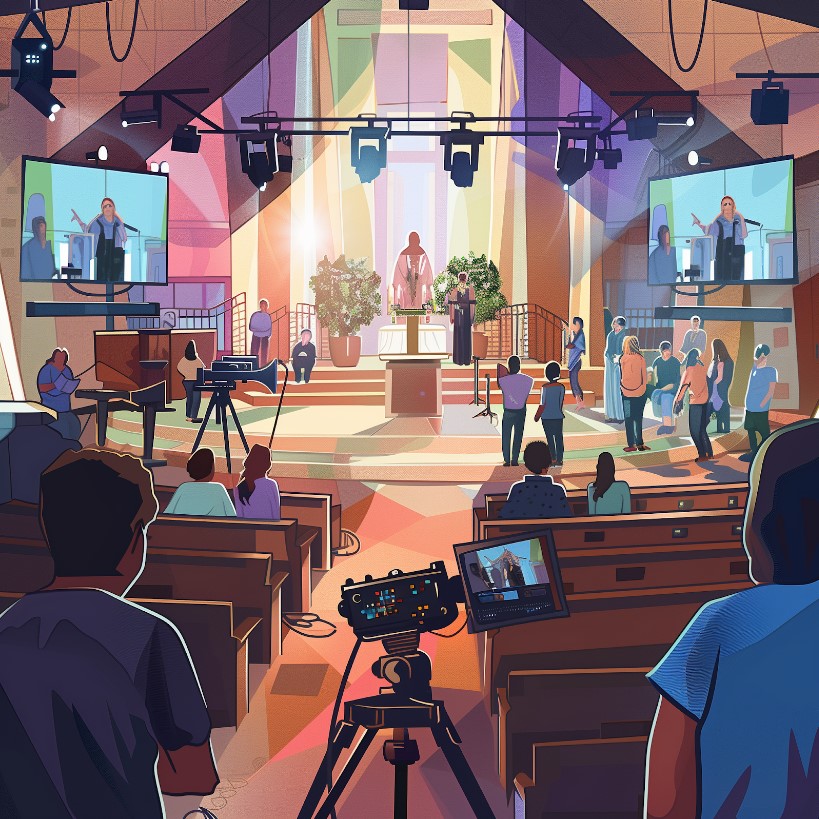
Upgrading your church’s video streaming equipment can significantly enhance the worship experience for everyone. Whether at home or on the go, high-quality streaming ensures secure, reliable, and immersive participation. With clear video and audio, interactive features, and flexible viewing options, your congregation can stay connected and engaged. This inclusive approach  allows for family worship and maintains a strong sense of community. Discover how modern streaming technology can bring your church closer together, no matter where you are.

In today’s fast-paced world, staying connected with your church community can be challenging. But with the right video streaming equipment, your church can foster a sense of togetherness, no matter where your congregation is located. Here’s how upgrading your video and streaming setup can benefit your church and help you enjoy streaming in family or wherever you are.

A comfortable woship experience

With high-quality streaming equipment, your church services can reach everyone, from those attending in person to those watching from home. This inclusivity ensures that everyone, regardless of their location or physical ability, can participate in the worship experience. Whether someone is homebound, traveling, or simply prefers watching from their living room, they can still feel connected to the church community.

Secure and reliable connections

Security is a top concern when it comes to streaming. Advanced video streaming systems offer secure connections, protecting your congregation’s privacy and ensuring that your services are broadcasted safely. Reliable equipment reduces the risk of technical glitches, providing a smooth and uninterrupted viewing experience for everyone involved. Knowing that the streaming service is secure and dependable allows everyone to relax and focus on worship.

Enhancing engagement with interactive features

Modern streaming technology offers interactive features that can significantly enhance engagement. Live chat functions allow viewers to interact with the service in real-time, asking questions or sharing comments. This interaction fosters a sense of community, even when members are physically apart. Polls, Q&A sessions, and virtual prayer groups can also be integrated, making the online experience more dynamic and interactive.

High-quality video and audio

One of the most noticeable benefits of upgrading your video equipment is the improvement in video and audio quality. Crisp, clear video and pristine audio can make a significant difference in how your services are received. High-quality streaming ensures that everyone can see and hear clearly, making the worship experience more immersive and impactful. It’s about creating an environment where the message of faith can be communicated effectively.

Flexibility and accessibility

With advanced streaming equipment, your church can offer flexible viewing options. Services can be watched live or later, giving your congregation the freedom to worship at a time that suits them best. This flexibility is particularly beneficial for those with busy schedules or those in different time zones. It allows everyone to stay connected and involved with the church’s activities, fostering a more inclusive community.

Encouraging family worship

Upgraded streaming capabilities make it easier for families to enjoy worship together. Families can gather in their living room and participate in the service, creating a shared spiritual experience. This family worship time can strengthen bonds and encourage discussions about faith and spirituality. It’s a wonderful way to bring the church experience into the home, making it a part of daily life.

Conclusion

Investing in new video streaming equipment for your church is more than just a technological upgrade; it’s about enhancing the worship experience for everyone. By providing a comfortable, secure, and engaging way to connect, your church can reach more people and build a stronger community. Enjoy streaming in family or wherever you are, knowing that your church is just a click away. So, why not take the step towards a more connected, inclusive, and dynamic worship experience?

Upgrading your streaming setup is a powerful way to keep your congregation engaged and connected, no matter the distance. With the right equipment, your church can thrive in the digital age, bringing the message of faith to all corners of the world.